
laminated railing glass
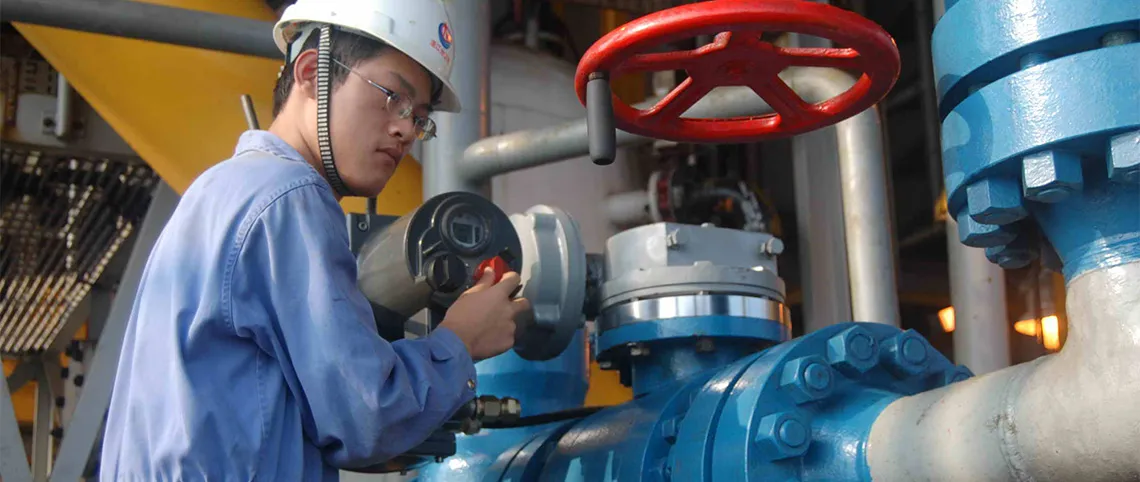
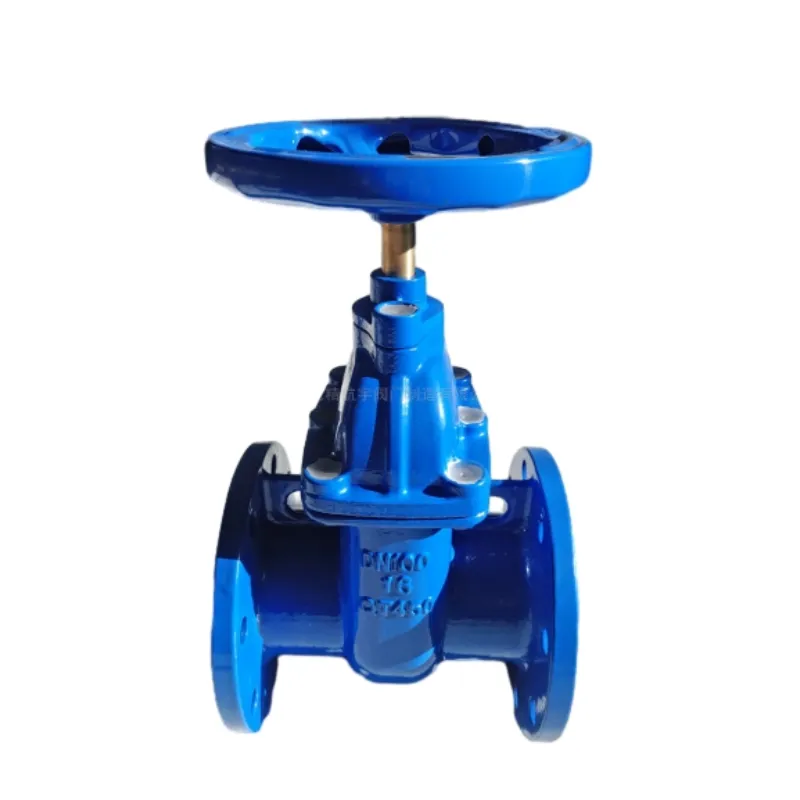
Industrial butterfly valves are critical components in fluid control systems, enabling efficient regulation of flow across pipelines in sectors like oil and gas, water treatment, and chemical processing. As industries increasingly prioritize operational efficiency and cost reduction, predictive maintenance has emerged as a transformative approach to extend equipment lifespan and minimize unplanned downtime. This article explores tailored predictive maintenance strategies for butterfly valve 300mm , butterfly valve 40mm , butterfly valve 5 , and general butterfly valve systems, emphasizing scalable solutions for bulk industrial applications. Predictive Maintenance for Butterfly Valve 300mm in Large-Scale Systems The butterfly valve 300mm is commonly deployed in high-flow industrial environments, such as municipal water supply networks or power plants. Its large diameter makes it susceptible to wear from turbulent flows and pressure fluctuations. Predictive maintenance for these valves focuses on early detection of mechanical stress and seal degradation. Vibration Analysis: Sensors installed on the valve body monitor vibrations caused by imbalanced discs or misalignment. Abnormal patterns trigger alerts for realignment or component replacement. Thermal Imaging: Thermal cameras detect overheating in the valve shaft or seat, often indicating friction due to inadequate lubrication or seal wear. Flow Rate Analytics: Integrating flow sensors with SCADA systems helps correlate valve performance with system demand, identifying inefficiencies before failures occur. For bulk deployments, centralized data platforms enable simultaneous monitoring of hundreds of butterfly valve 300mm units, ensuring timely interventions and reducing maintenance costs by up to 30%. Optimizing Performance of Butterfly Valve 40mm in Precision Applications The butterfly valve 40mm is frequently used in applications requiring precise flow control, such as pharmaceutical manufacturing or food processing. Its compact size demands high sensitivity to minor operational deviations. Pressure Differential Monitoring: Sensors track pressure drops across the valve, highlighting blockages or disc warping. For example, a sudden drop may signal debris accumulation in the pipeline. Acoustic Emission Testing: Ultrasonic sensors detect leaks or cavitation noises, even in low-flow conditions, ensuring airtight sealing. Cycle Counting: Automated logs track the number of valve openings/closures. Excessive cycling beyond design limits prompts preemptive seal inspections. In bulk installations, edge computing devices process data locally, providing instant feedback for butterfly valve 40mm arrays without overwhelming central systems. Advanced Monitoring Techniques for Butterfly Valve 5 in Specialized Environments The butterfly valve 5 (often a model-specific designation) is engineered for extreme conditions, such as high-temperature steam lines or corrosive chemical transport. Predictive strategies here prioritize material integrity and environmental resilience. Corrosion Sensors: Embedded probes measure pH levels or chemical exposure, alerting operators to corrosive damage on valve surfaces. Strain Gauges: These detect metal fatigue in the valve body, particularly in systems with frequent thermal cycling. Real-Time Lubrication Analysis: Smart grease fittings monitor lubricant viscosity and contamination, ensuring optimal shaft movement. For industries procuring butterfly valve 5 units in bulk, modular sensor kits allow retrofitting older models with predictive capabilities, maximizing ROI. General Predictive Maintenance Frameworks for Butterfly Valve Operations Regardless of size or model, all butterfly valve systems benefit from foundational predictive maintenance practices: IoT Integration: Wireless sensors transmit data to cloud-based dashboards, enabling remote health assessments. Historical Data Trends: Machine learning algorithms analyze historical failure patterns to predict future risks. Condition-Based Lubrication: Automated systems dispense lubricants based on real-time wear metrics rather than fixed schedules. Manufacturers offering bulk procurement ensure uniformity in sensor compatibility, streamlining large-scale deployments. FAQs About Butterfly Valve Predictive Maintenance What parameters should be monitored for a butterfly valve 300mm in high-pressure systems? Key parameters include vibration amplitude, seat temperature, and actuator torque. High-pressure environments accelerate seal wear, making thermal and vibration data critical for early fault detection. How often should a butterfly valve 40mm undergo acoustic emission testing? Testing frequency depends on operational intensity. For valves in continuous use, monthly tests are recommended. Intermittent systems may require quarterly checks. Can predictive maintenance be applied to older models of butterfly valve 5? Yes. Retrofitting older butterfly valve 5 units with wireless sensors and IoT gateways enables seamless integration into modern predictive frameworks. What is the primary advantage of predictive maintenance for butterfly valve arrays in bulk installations? Scalability. Centralized monitoring reduces labor costs and ensures consistent performance across thousands of valves, minimizing system-wide downtime. How does lubrication analysis prevent failures in butterfly valve 300mm systems? Contaminated or degraded lubricants increase friction, leading to shaft jamming. Real-time analysis ensures timely replenishment, avoiding catastrophic failures. Predictive maintenance revolutionizes how industries manage butterfly valve 300mm , butterfly valve 40mm , butterfly valve 5 , and general butterfly valve systems. By leveraging advanced monitoring technologies tailored to specific valve sizes and operational demands, manufacturers can deliver bulk solutions that enhance reliability, reduce costs, and support sustainable industrial growth. As industries evolve, adopting these strategies will remain pivotal to maintaining competitive advantage in fluid control systems.
about
laminated railing glass
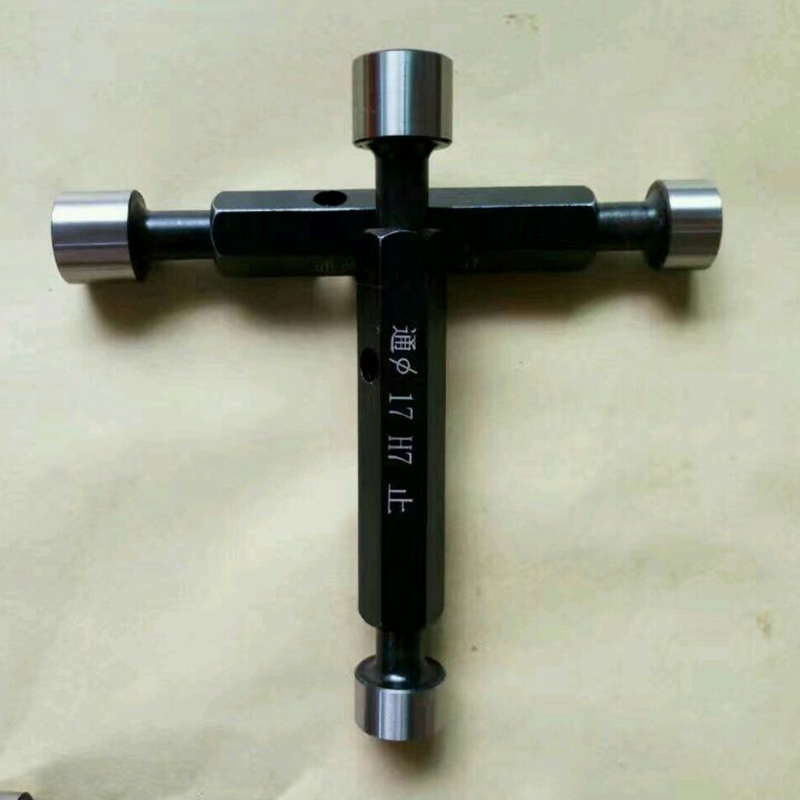
Understanding Ring Gauge Sets Essential Tools for Precision Measurement In the world of engineering and manufacturing, precision is paramount. One of the key instruments used to ensure accuracy in measurements is the ring gauge set. These gauges play a crucial role in verifying the dimensions of internal diameters, particularly for cylindrical objects. This article explores the significance, types, and applications of ring gauge sets in various industries. A ring gauge set consists of a series of cylindrical rings, each precisely machined to a specific diameter. These gauges are used to measure whether a workpiece falls within the desired tolerance levels. The concept is straightforward a ring gauge is fitted over the object being measured. If the gauge slides on easily, the workpiece is likely within specification. Conversely, if it does not fit, the item is out of tolerance and may require further machining or adjustment. Ring gauges can be classified into two main types the go gauge and the no-go gauge. The go gauge represents the maximum allowable dimension, while the no-go gauge indicates the minimum allowable dimension. Together, they help in assessing whether a workpiece meets the required tolerances. This duality provides a clear and efficient way to ensure quality control without complex measuring instruments. ring gauge set One of the principal advantages of using ring gauge sets is their simplicity and reliability. Unlike calipers or micrometers, which require more complex handling and interpretation, ring gauges offer a straightforward pass/fail outcome . This ease of use also leads to quicker measurements, making them ideal in high-volume production contexts where speed and efficiency are critical. Applications of ring gauge sets are diverse, spanning multiple industries. In the automotive sector, for instance, they are essential for checking the tolerances of engine components, ensuring that parts fit together reliably to optimize performance. Similarly, in the aerospace industry, where precision is non-negotiable, ring gauges ensure that components meet stringent safety and performance standards. Moreover, ring gauge sets are invaluable in the manufacturing of precision instruments and medical devices, where minute discrepancies can lead to significant problems. By utilizing these gauges, companies can maintain high standards of quality control, ultimately reducing waste and avoiding costly errors. In conclusion, ring gauge sets are vital tools in the realm of precision measurement. Their simple design, combined with their effectiveness in ensuring dimensional accuracy, makes them indispensable in various industries. As technology advances, the sophistication of these gauges continues to evolve, incorporating materials and designs that enhance their durability and accuracy. For any company focused on maintaining high-quality standards, investing in a comprehensive ring gauge set is not just advisable; it is essential for success. In a world where precision matters, ring gauges are a key player in the quest for excellence in manufacturing and engineering.
-

High quality industrial productsagement

High quality industrial products
View Details -

Meet the diverse needs of customers

Meet the diverse needs of customers
View Details -

Strict quality control

Strict quality control
View Details -

Top raw materials

Top raw materials
View Details -

Trusted supplier

Trusted supplier
View Details
Our application


news and information

Y-type filter met afvoerkraan voor efficiënte vloeistofbehandeling
Y-Type Filter met Afsluitklep Een Efficiënte Oplossing voor Uw Pijpleidingsysteem In de wereld van i
Y Type Strainer Compatibility with Corrosive Fluids
In industrial fluid systems where corrosive media like acids, alkalis, or saline solutions flow, mai
Vanne papillon à 4 % pour des applications industrielles et de contrôle de fluides efficaces
La Robinetterie Le Cas de La Papillon à Quatre Pourcents Les vannes sont des composants essentiels
 English